
5 Things Even the Best Wedding Photographer Can’t Do
28 June 2026And How You Can Help Create Better Wedding Photos
A great wedding photographer can do many things.
They can find beautiful light, notice quiet emotions, guide you gently when needed, and preserve moments that may otherwise disappear forever.
But even the best wedding photographer cannot control everything.
A wedding day is alive. It has weather, timing, emotions, family dynamics, unexpected delays, and hundreds of small moments happening at the same time.
This is exactly what makes weddings beautiful — and also what makes them impossible to fully control.
After more than twenty years of photographing weddings, I believe the best photographs happen when a couple understands one simple truth:
Wedding photography is not created by the photographer alone. It is created together — by the couple, the people they love, the atmosphere of the day, and the way everyone allows real moments to happen.
Here are five things even the best wedding photographer cannot do — and how you can help create photographs that feel honest, natural, and meaningful.
About the Author
My name is Thomas Kart. I am a wedding photographer based in Koh Samui, Thailand, and the founder of Thomas Kart Studio.
For more than twenty years, I have photographed weddings in different countries and helped couples preserve not only how their wedding day looked, but how it truly felt.
This article is based on real wedding experience — not theory, trends, or a list copied from someone else’s blog.
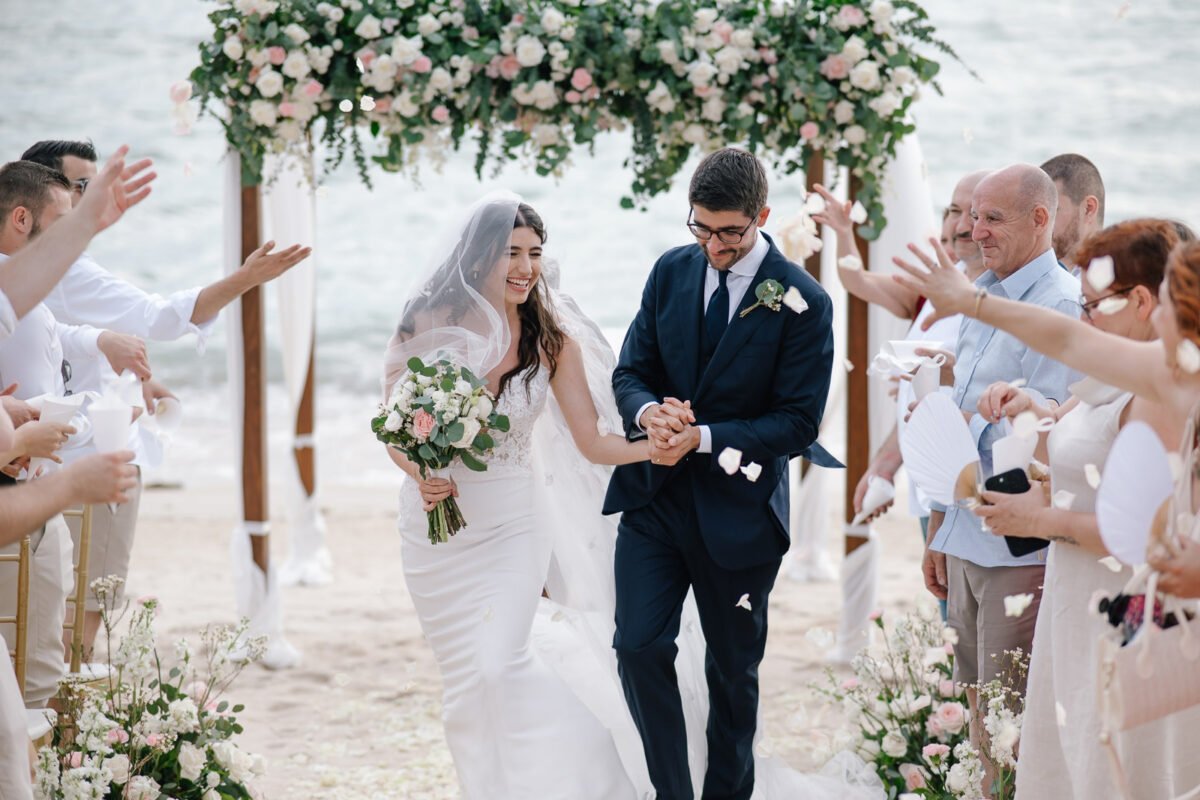
1. A Photographer Can’t Control the Weather
Weather is one of the few things no wedding photographer can control.
Even with perfect planning, a wedding day can bring strong sun, sudden rain, wind, clouds, humidity, or changing light. This is especially true for destination weddings in Thailand, where tropical weather can shift quickly.
A good photographer knows how to adapt. They can find softer light, change the angle, use shaded areas, protect the camera equipment, and still create beautiful images in imperfect conditions.
But a photographer cannot make the sky clear, stop the wind, or turn a rainy afternoon into a golden sunset.
What helps most is flexibility.
If the weather changes, stay calm. Trust your photographer, allow small adjustments to the timeline, and remember that emotional photographs are not created by perfect weather. They are created by real moments.
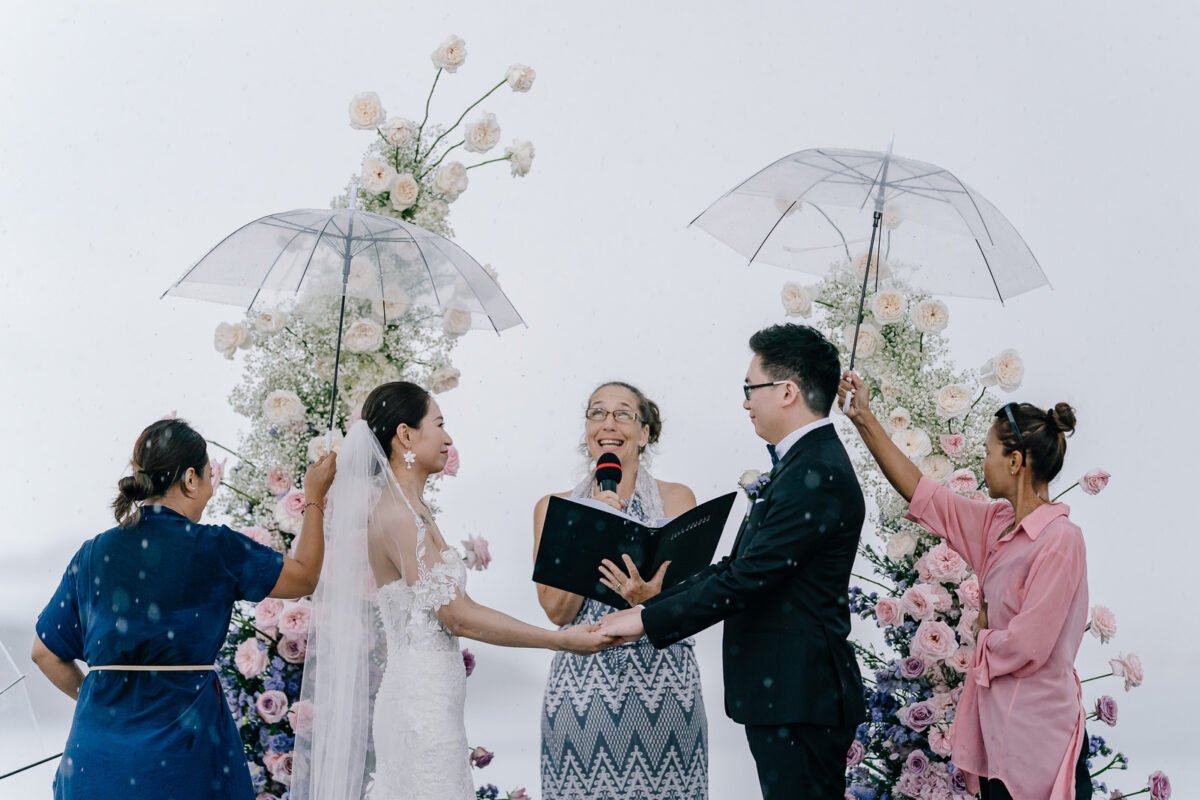
Some of the most beautiful wedding photographs happen in unexpected conditions — soft cloudy light, wind in the dress, guests laughing under umbrellas, or a quiet moment between the couple while the sky changes behind them.
What you can do: plan a little extra time in your schedule, stay open to location changes, and do not let imperfect weather take you out of the moment.
2. A Photographer Can’t Stop Time
A wedding day moves faster than most couples expect.
The morning begins quietly, and then suddenly the ceremony is close. Guests arrive, family members need attention, makeup takes longer than planned, transportation is delayed, or someone cannot be found for group photos.
A photographer can work quickly. They can organize portraits, move efficiently, and capture moments as they happen.
But they cannot create extra time once the day has already started running late.
This is why a realistic timeline matters so much.
If every part of the day is planned too tightly, there is no space for real moments. The couple begins to feel rushed, guests feel the pressure, and photography becomes a race instead of a story.
The best wedding galleries usually come from days where there is enough room to breathe.
Not too much posing. Not too much rushing. Just enough space for people to be present, enjoy the day, and let meaningful moments happen naturally.
What you can do: build small buffers into your wedding timeline, especially before the ceremony, before sunset portraits, and before important family photos.
A good example is D&G’s wedding at Pullman Phuket Arcadia, where enough time was left after getting ready for relaxed portraits before the ceremony. Instead of rushing through a long list of locations, the couple had space to enjoy the day naturally with their family and friends.
3. A Photographer Can’t Create Real Emotions
A photographer can guide you into good light.
They can help you stand naturally, suggest where to look, and create a calm atmosphere during portraits.
But real emotions cannot be forced.
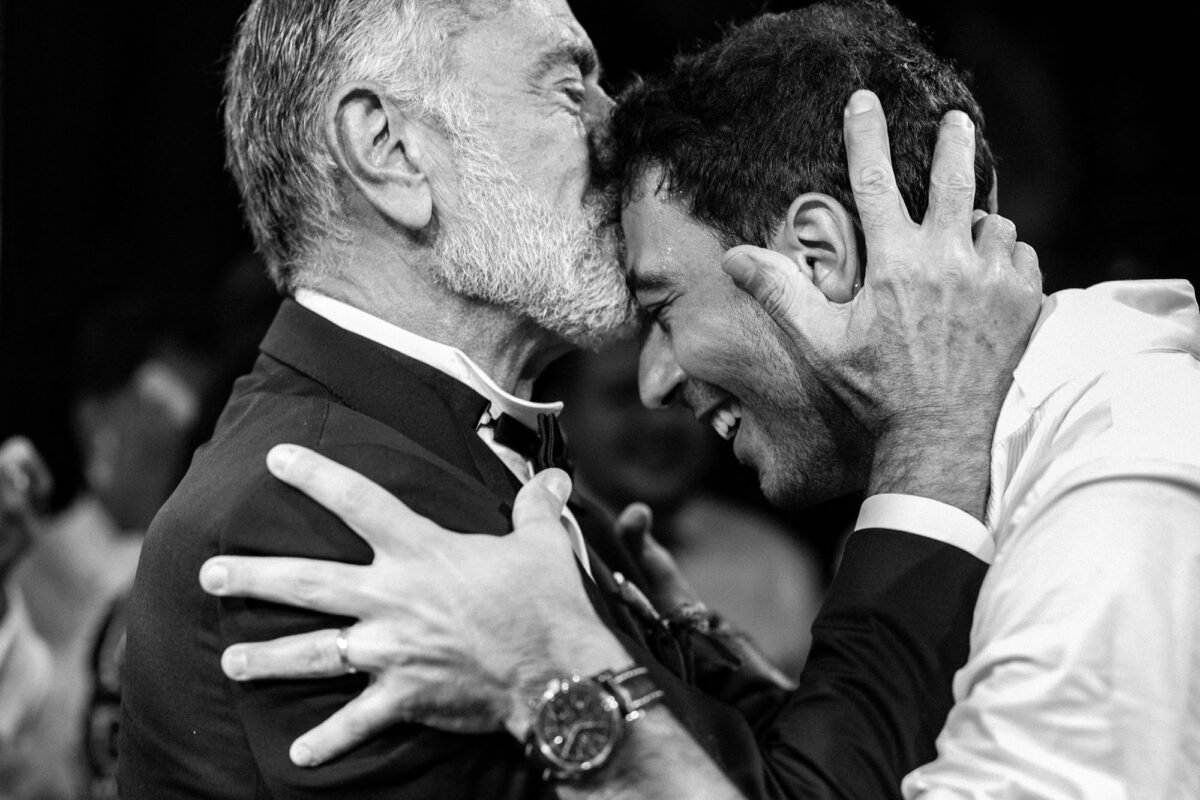
A genuine laugh, a parent’s reaction, a quiet tear, the way your friends look at you during the ceremony, the hug after the vows — these moments cannot be staged in a way that feels the same.
This is why being present matters.
If you spend the whole day thinking about how you look, where the camera is, or whether every detail is perfect, you may miss the emotions that make the photographs meaningful.
The best wedding photographs often happen when people forget they are being photographed.
When you allow yourself to laugh, cry, hug, dance, and simply be with the people you love, your photographer has something real to preserve.
What you can do: do not perform for the camera all day. Be present with your partner, your family, and your guests. Real connection will always photograph better than perfect posing.
4. A Photographer Can’t Be Everywhere at Once
A wedding day is full of parallel moments.
While the bride is getting ready, the groom may be opening a gift or sharing a quiet moment with his friends. While the couple is taking portraits, guests may be laughing, hugging, or reacting to something happening somewhere else.
During the ceremony, one camera can focus on the couple, but another angle may be needed to capture parents, guests, details, and wide views of the location.
A single photographer can do a lot, especially at a small wedding.
But they cannot physically be in two places at the same time.
This is why the size and structure of your wedding matter when choosing photography coverage.
For intimate weddings and elopements, one photographer may be enough. But for larger weddings, multi-location events, or celebrations with many guests, a second photographer can make a big difference.
It allows more of the day to be preserved — not only the main events, but also the reactions, quiet interactions, family moments, and atmosphere around them.
What you can do: think honestly about your wedding size, locations, and timeline. If many important moments will happen at the same time, consider adding a second photographer or choosing a package designed for fuller coverage.
5. A Photographer Can’t Predict Everything
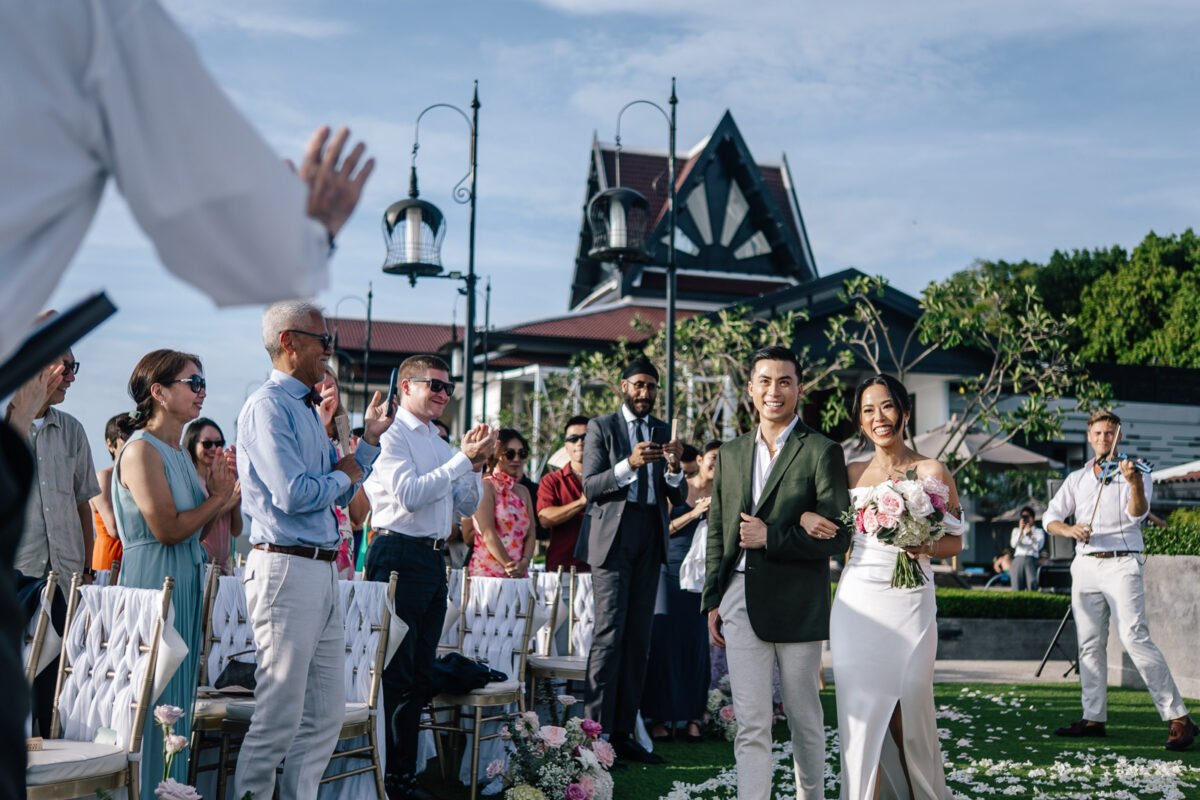
Even with the most detailed timeline, a wedding day will always have surprises.
Someone may arrive late. The ceremony may start earlier than expected. A child may run into the aisle. A guest may give an emotional speech nobody planned. The weather may change. A quiet family moment may happen in a corner of the room.
This unpredictability is not a problem.
It is often where the most meaningful photographs come from.
A good wedding photographer stays alert, reads the room, notices body language, and reacts quickly when something important begins to happen.
But no photographer can predict every emotional reaction, every small gesture, or every unexpected moment before it exists.
This is why trust matters so much.
If you trust your photographer enough to let the day unfold naturally, they can focus on observing and preserving the real story instead of constantly trying to control it.
What you can do: share important family details, timeline notes, and meaningful relationships before the wedding day — then allow space for real life to happen.
Wedding Day Checklist: How to Help Your Photographer
Here are a few simple things that can help your wedding photographer create stronger, more natural photographs:
- Build small time buffers into your wedding timeline.
- Plan portraits during softer light whenever possible.
- Share important family details before the wedding day.
- Tell your photographer about any special traditions, surprises, or emotional moments in advance.
- Choose getting-ready spaces with natural light and enough room to move.
- Keep important details together: rings, invitations, perfume, shoes, vows, jewellery, and accessories.
- Allow yourself to be present instead of thinking about the camera all day.
- Trust your photographer when small timeline or location adjustments are needed.
- Consider a second photographer for larger weddings or multi-location celebrations.
The goal is not to control every part of the day. The goal is to create enough space for real moments to happen naturally.
FAQ
Can a wedding photographer make bad weather look beautiful?
A good wedding photographer can work with difficult weather and still create beautiful photographs. Cloudy skies, wind, soft rain, or dramatic light can all become part of the story. But no photographer can fully control the weather, so flexibility and trust are very important.
How much time should we leave for wedding portraits?
For relaxed couple portraits, it is usually best to leave at least 30–45 minutes. If you want portraits in several locations or during sunset, plan more time. A little extra space in the timeline helps the photographs feel natural instead of rushed.
Do we need a second photographer?
For small weddings and elopements, one photographer can often be enough. For larger weddings, multi-location days, or celebrations with many guests, a second photographer helps capture more reactions, family moments, and different angles of the ceremony.
What can we do to look natural in wedding photos?
The most important thing is to be present with each other. Try not to think about the camera all day. Laugh, hug, talk, dance, and enjoy your people. Real connection always photographs better than perfect posing.
When should we share important details with our photographer?
It is best to share important family details, traditions, surprises, timeline notes, and special moments before the wedding day. This helps your photographer understand what matters most and be ready when those moments happen.
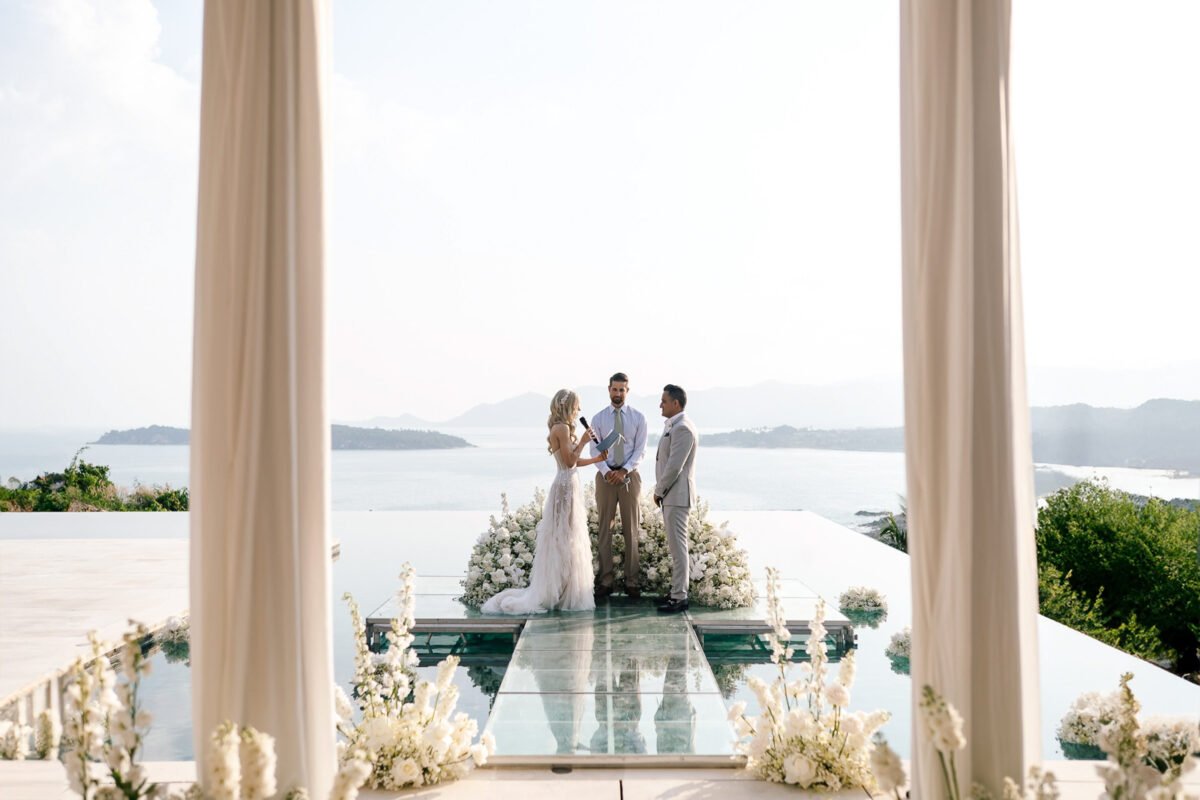
Final Advice
A wedding photographer can prepare, observe, guide, anticipate and adapt — but some of the most important parts of a wedding day will always be outside the photographer’s control.
The photographs that matter most are rarely created by trying to make every moment perfect. They come from real emotion, genuine reactions and the freedom to let the day unfold naturally.
So don’t spend your wedding day performing for the camera.
Be present with the people you love. Enjoy the ceremony, the conversations, the laughter and the unexpected moments. Trust your photographer to know when to step in with direction and when simply to observe.
Good planning can still make a big difference. The right timeline gives you better light and enough breathing room without turning the wedding into a photoshoot. If you’re deciding when to plan your portraits, read our guide to the best time for wedding photos in Koh Samui.
The ceremony deserves the same thought. Guests stepping into the aisle or raising phones during important moments can unintentionally affect both the experience and the photographs. Our guide to an unplugged wedding ceremony explains when asking guests to put their phones away can help.
In the end, the goal is simple: enjoy your wedding while it is happening and let the photography preserve what it actually felt like.
If you’re planning a wedding in Koh Samui or anywhere in Thailand, we’d be honoured to tell your story.